Learn how you can create Google 2-Step Verification for third party application and for Google Application.
Google 2 Step Verification allows you to makes more securable password verification via mobile sms or voice call.
If you are making google login from websites then google will send mobile verification code and you can verify it but if you are using the below of any one application
Mobile Gmail
Desktop Picasa
AdWords Editor
Pidgin Messanger
Nimbuzz
Android
iPhone
GoogleTalk/Pidgin client
POP/IMAP
Outlook
then you won't get login even if you provide a correct password because it fails for second step verification.
For this kind of second step verification Google has given "Application- Specific Password"
You Just Need to create another password for your Google Account Apart from Orginal Password inorder to use these password for the above given applications.
This feature is enabled only who activated Second Step Verification.
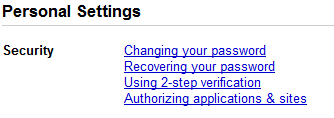
Just Go to Google Account and Navigate to Using 2-Step Verification Under that find Manage application-specific passwords their enter the application name that you want to use after that google will provide a system generate password .
Thats it now you can use it the system generate password for the above applications.
Google 2 Step Verification allows you to makes more securable password verification via mobile sms or voice call.
If you are making google login from websites then google will send mobile verification code and you can verify it but if you are using the below of any one application
Mobile Gmail
Desktop Picasa
AdWords Editor
Pidgin Messanger
Nimbuzz
Android
iPhone
GoogleTalk/Pidgin client
POP/IMAP
Outlook
then you won't get login even if you provide a correct password because it fails for second step verification.
For this kind of second step verification Google has given "Application- Specific Password"
You Just Need to create another password for your Google Account Apart from Orginal Password inorder to use these password for the above given applications.
This feature is enabled only who activated Second Step Verification.

Just Go to Google Account and Navigate to Using 2-Step Verification Under that find Manage application-specific passwords their enter the application name that you want to use after that google will provide a system generate password .
Thats it now you can use it the system generate password for the above applications.
Comments
Post a Comment